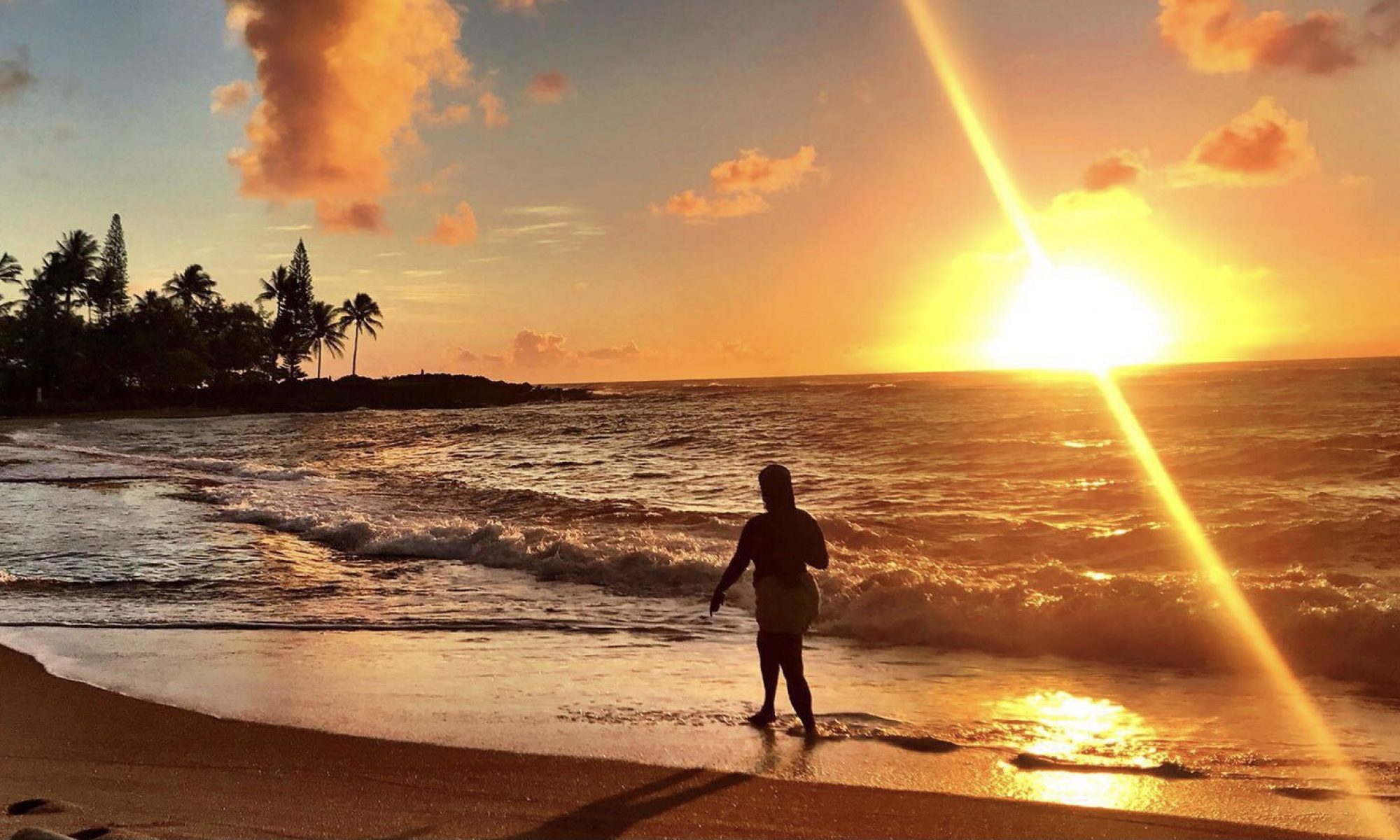
Morocco has a storied past, her history has been woven in its ties to sub-Saharan Africa, Europe and even the wider Middle East. Did you know that Morocco has a mix of Arab and Berber population which formed their strong national identity? From the countryside to the city, from the call to prayer from the mosque to the beat of local hip hop. Morocco has a hundred faces and sounds, all ready to welcome the curious traveller looking for spice and adventure.
Here was my itinerary of my magical journey through Morocco
Day 1: Casablanca
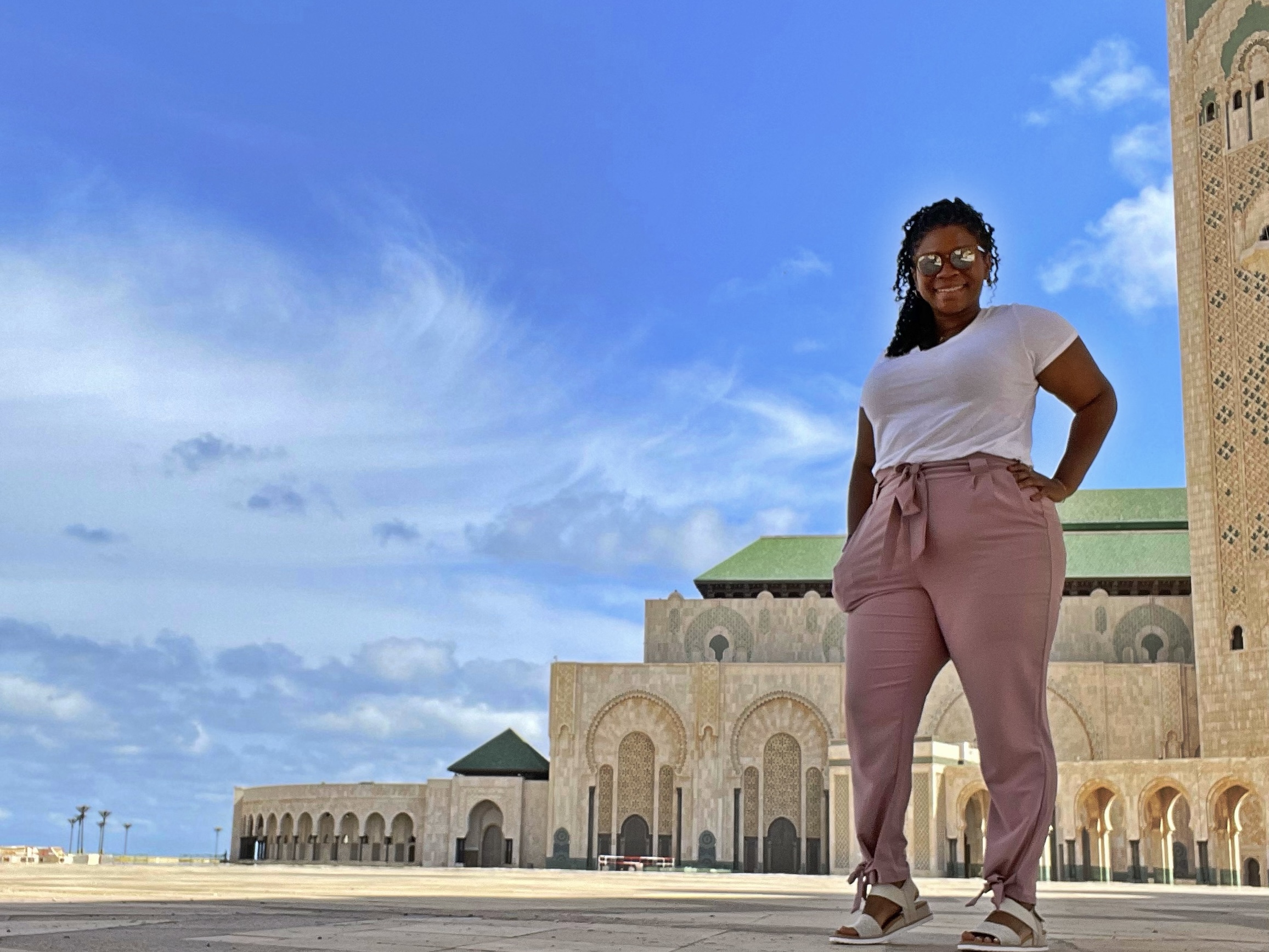
Visit the magnificent Hassan 2 Mosque, almost half of the surface of the mosque lies over the waters of the Atlantic. This was inspired by the verse of the Qur’an that states “the throne of God was built on the water”. Part of the floor of this facility is glass so worshippers can kneel directly over the sea; above, lasers shine at night from the top of the minaret toward Mecca. The mosque is amongst the largest in the world and can house as many as 25,000 worshipers. Its minaret is the tallest religious structure in the world. Your sightseeing will also include the Mohammed V square, the United Nations square and the Arab League Park. During a stroll in the Quartier Habbous you will be able to discover a modern version of architects, Foster + Partners – combining residential, shopping and entertainment. Then stop and have dinner at Ricks Cafe
Day 2: Rabat
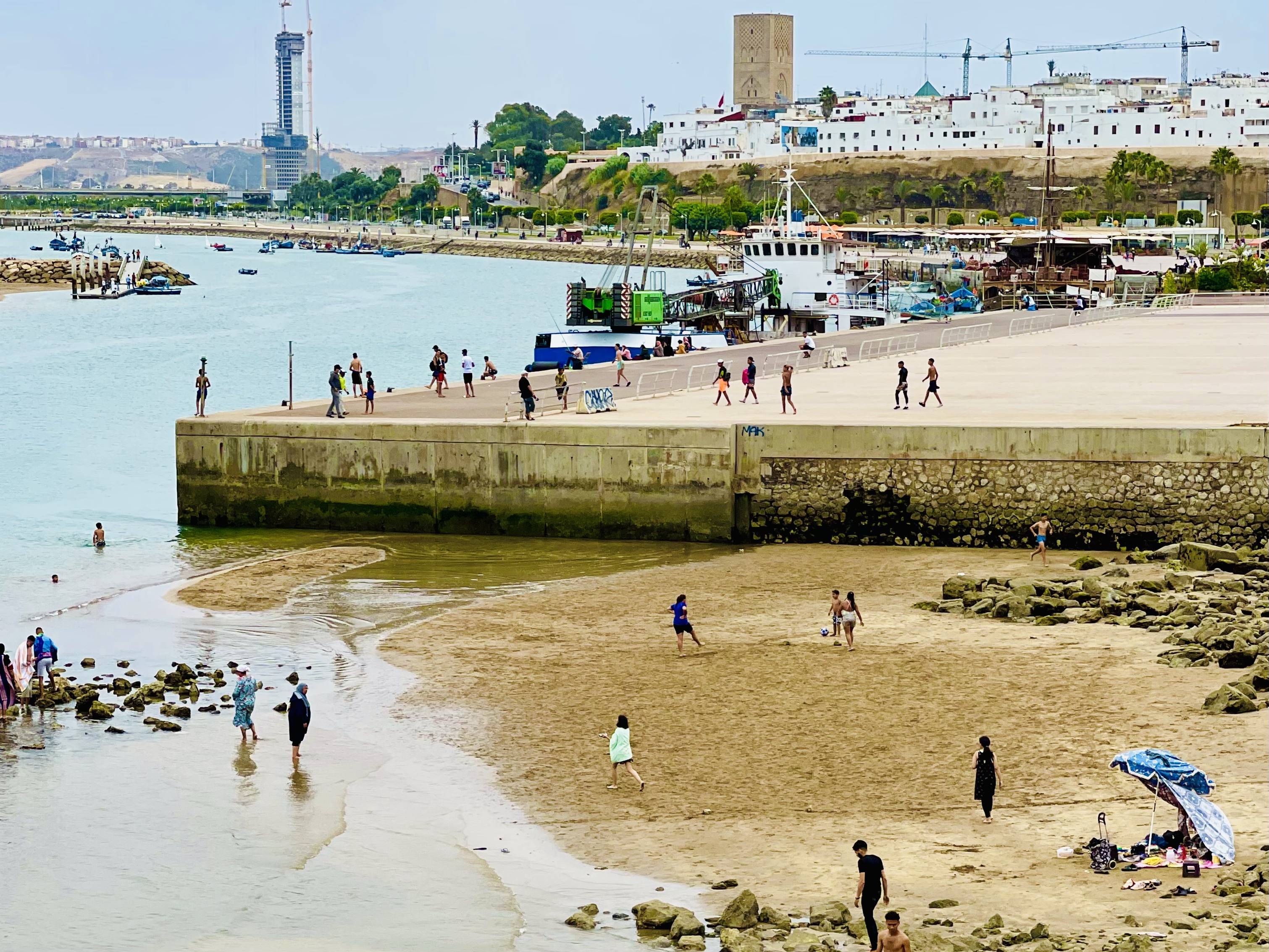
After breakfast, depart for Rabat, the Capital of Morocco. Visit the Royal palace, Mohammed the V mausoleum, Hassan tower and Chella necropolis. Also pay a visit to the Oudaya Kasbah, which is built on a bluff overlooking the Atlantic Ocean. Perhaps enjoy a taste of the famous Moroccan Mint Tea overlooking the beautiful ocean. Visit the Médina, Kasbah and souk.
Day 3: Chefchaouen
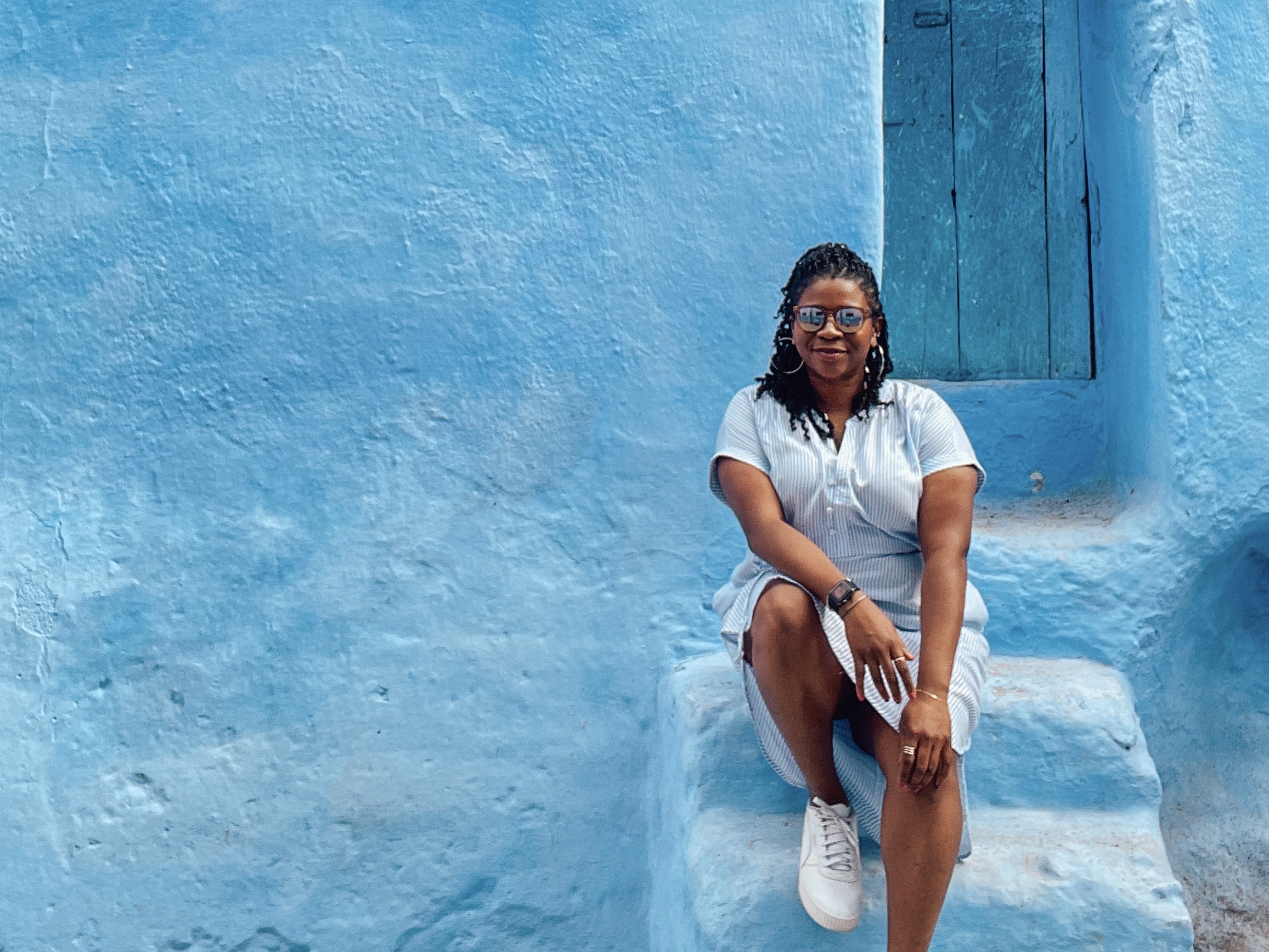
Chefchaouen, or Chaouen, is a city in the Rif Mountains of northwest Morocco. It’s known for the striking, blue-washed buildings of its old town. Leather and weaving workshops line its steep cobbled lanes. In the shady main square of Place Outa el Hammam is the red-walled Kasbah, a 15th-century fortress and dungeon, and Chefchouen Ethnographic Museum. The octagonal minaret of the Great Mosque rises nearby. Took an afternoon walking tour to get acquainted with the layout of the city. Spend some time roaming the souk and getting lost in the old cities narrow streets.
Day 4: Fes
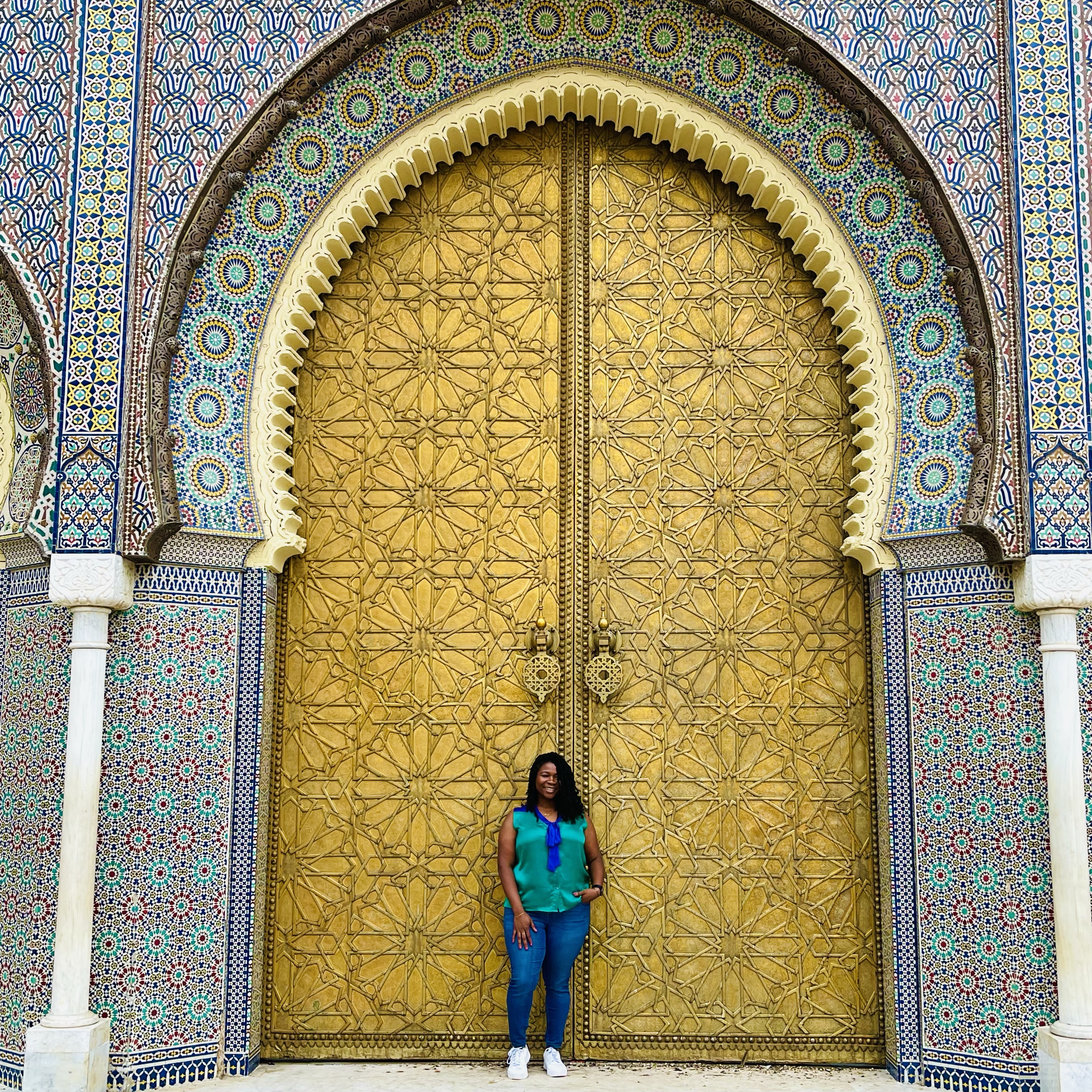
Spent two days in Fes. Here I got the “back stage” pass to the city of Fes. This was the home city for my tour guide so I got the ultimate tour with a locals perspective. On the way we visited Meknes; a UNESCO World Heritage Site and one of the imperial cities of Morocco. Its impressive monuments recall the splendor of a city, first built in the 17th century by the powerful sultan Moulay Ismail, to rival the court of his contemporary Louis XIV of France. See the monumental Bab Mansour gateway — considered one of the finest great gates of Morocco — as well as the Granaries.
Then continuing to the Roman ruins of Volubilis, a UNESCO World Heritage Site that is home to some of the best-preserved Roman ruins in North Africa. With its triumphal arches, basilicas and among its greatest treasures, however, are the stunning mosaic floors, which include Orpheus charming animals with his lyre, nine dolphins signifying good luck. Both of these UNESCO World Heritage Sites should not be missed.
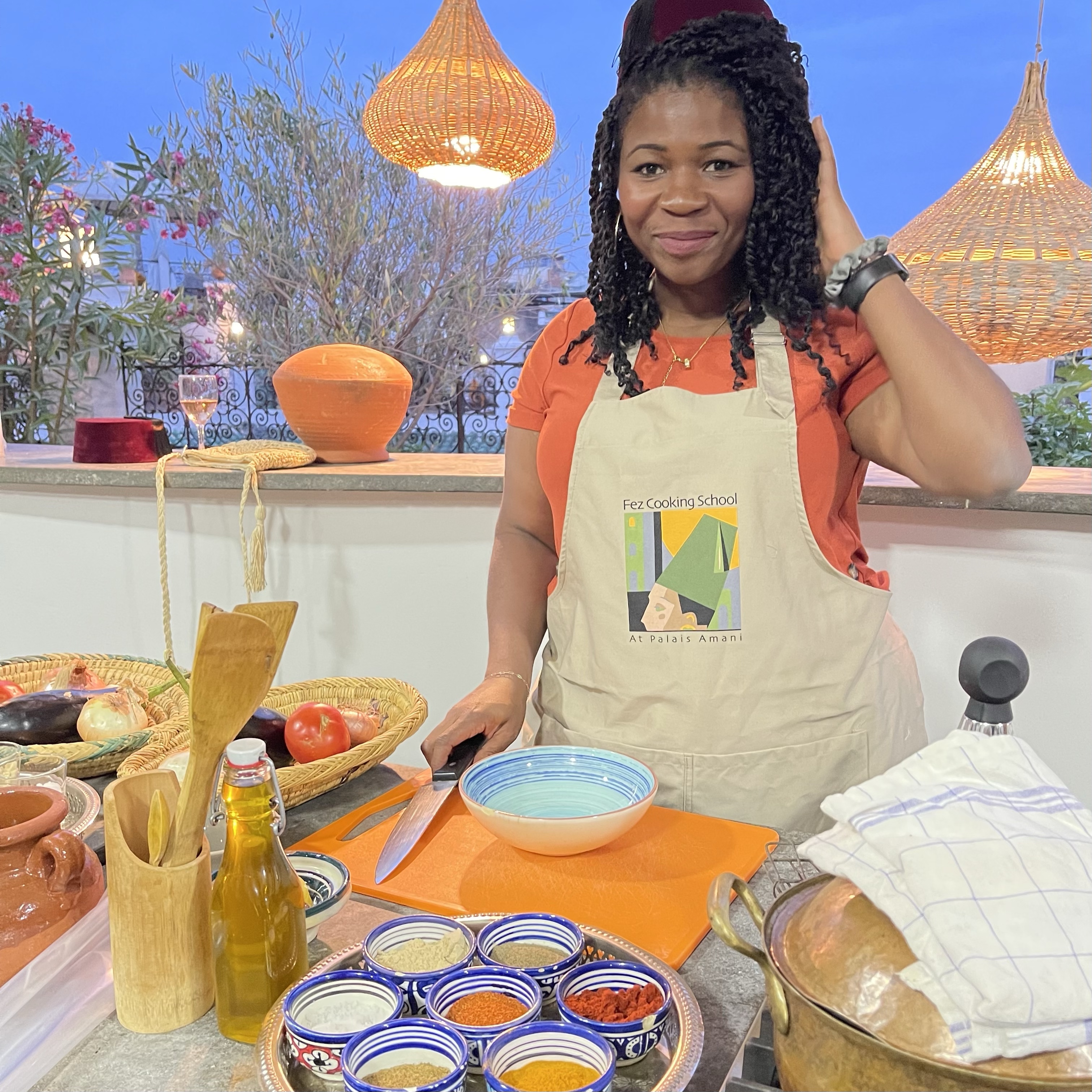
Stayed at the Palais Amani. Took a Hammam (spa) followed by private cooking class & dinner at the hotel.
Day 5: Fes
Founded in the 8th century, it is home to several famed historical monuments, Explore Fez el-Bali (Old Fez), the cultural heart of Morocco, originally founded in the eighth century by Moulay Idriss I. The imperial capital was a renowned center of medieval learning; at its heart still remains the Karaouine, one of the oldest, still-functioning universities in the world. Stroll the labyrinthine old quarter, with its 9,000 narrow lanes, alleys and souks, on a Market Visit of exceeding authenticity. Watching local craftsmen in action, working with bronze and pottery, makes for an engaging Artisan Visit as well. Next, proceed to the 14th-century Karaouine, the Hispano-Moorish Attarine Medersa (Koranic college) and Nejjarine Square. You also see the Royal Palace, madrasas and mellah (Jewish quarter).
Private home dinner with special surprises.
Day 6: Agafay Desert
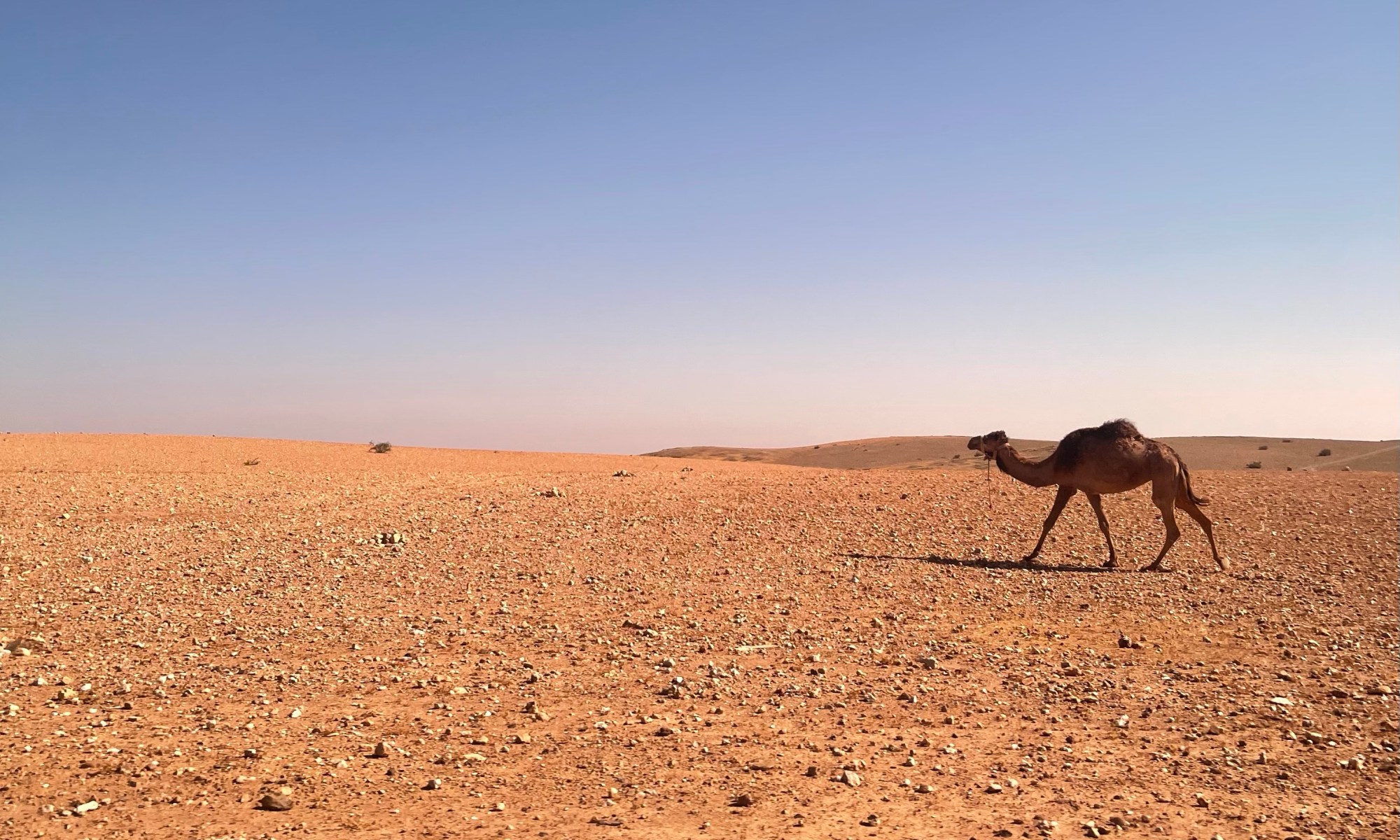
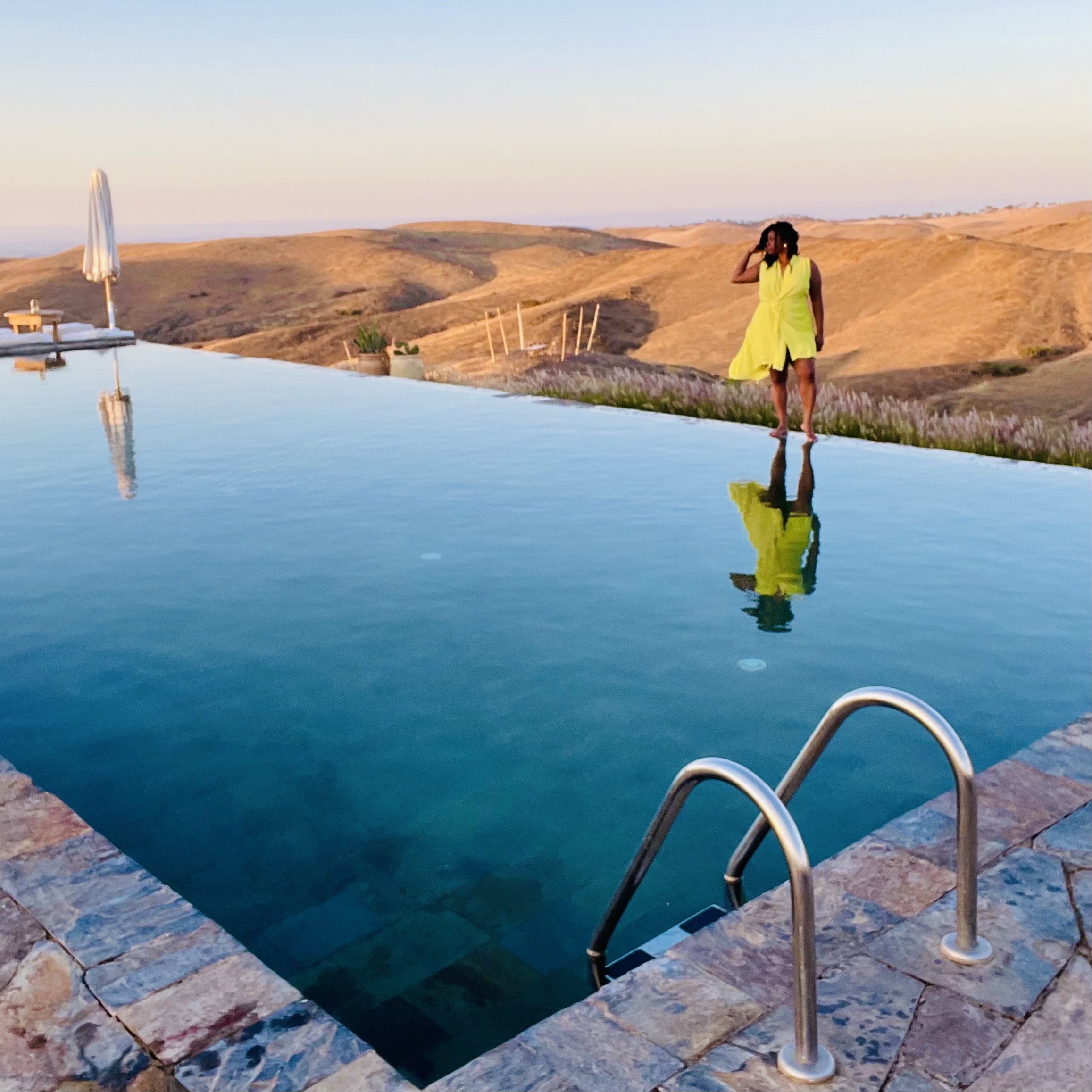
After landing we had a quick lunch and then continued to the edge of the Atlas Mountains 45 minutes outside of Marrakech to the White Camel Lodge where a reception with mint tea and pastries awaits at your luxury nomadic tented camp. As the sun sets over the dunes, celebrate your unforgettable desert foray with a scenic sundowner. After a traditional meal, relax in front of a campfire. Then, the magic begins as we turn the fire down and look up towards the skies. Simply look in an open sky, in no particular direction. Slumber in comfort as the sounds of Agafay lull you to sleep in your comfortable tents.
Day 7: Marrakech
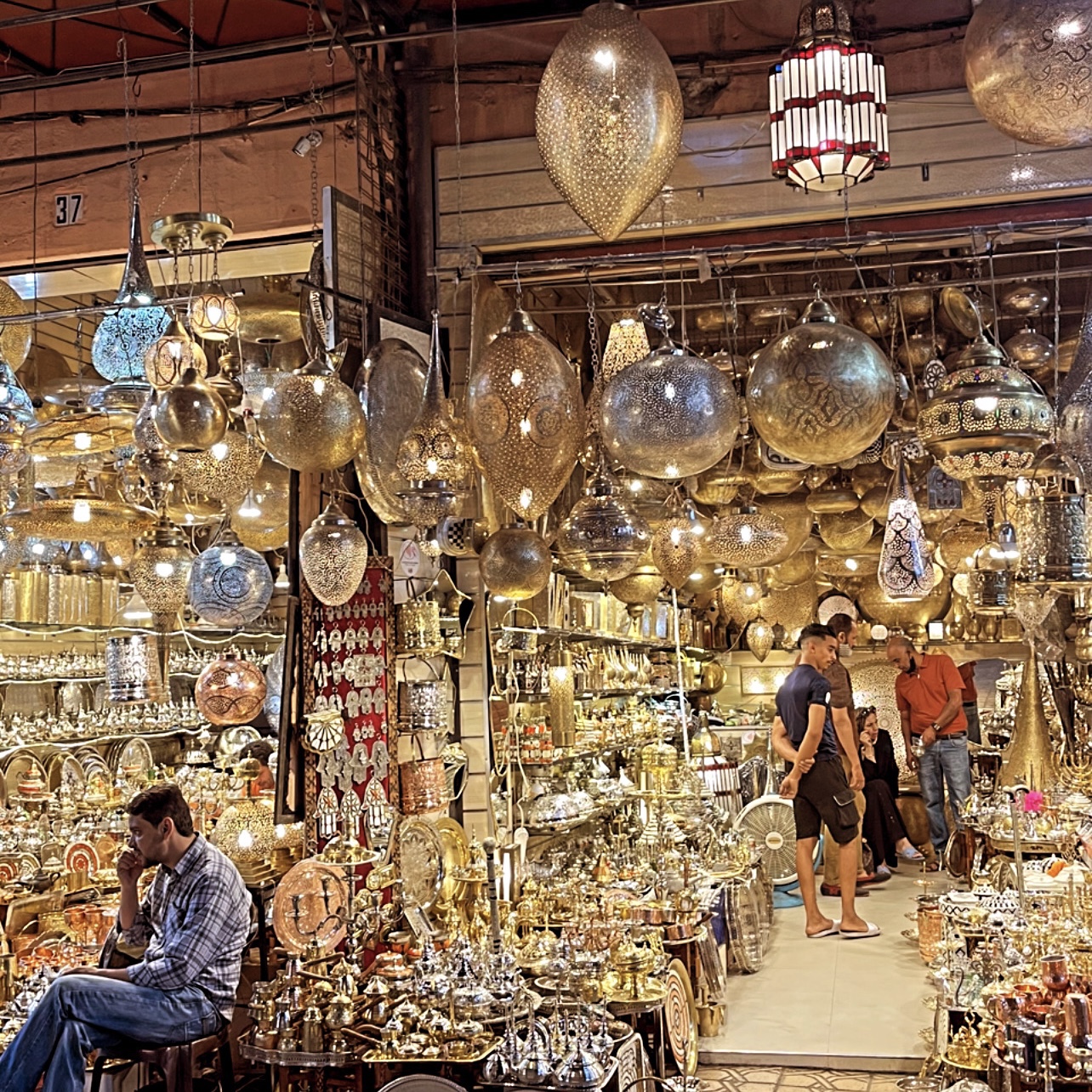
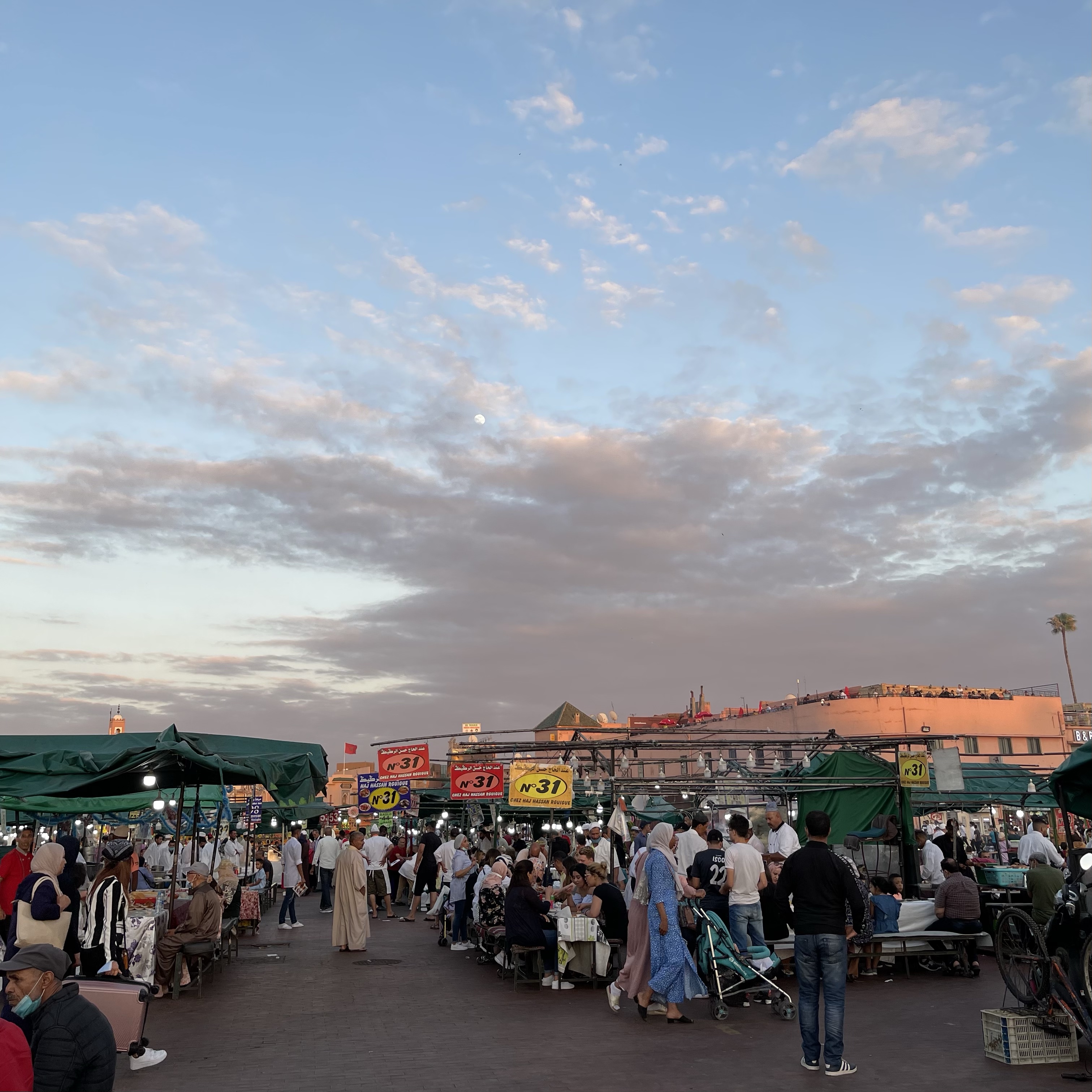
Begin unearthing the secrets of Marrakech, starting in the medina, the old walled section of town and a UNESCO World Heritage Site. This thousand-year-old city was long a political, economic and cultural center. Marvel at its architectural jewels, including the soaring Koutoubia minaret and Dar Si Said; housed in a palace, it is among the most beautiful of its kind in the world. Continue to the Bahia Palace, an exemplary specimen of privileged life in the 19th century. Visit Djemaa el-Fna, Marrakech’s main square, which is filled with orange juice stalls and vendors, along with fire-eaters, mime artists, snake charmers and street musicians performing at every turn. You may also wish to explore the city’s fabled, labyrinthine souks.
Day 8: Marrakech
Visit Marrakech’s famous, beautiful gardens which are dotted around the city.
You will visit the Jardin Majorelle (Majorelle Gardens), originally designed in 1924 by French artist Jacques Majorelle. After taking up residence in Marrakech, Majorelle transformed the property’s existing garden into a tropical paradise, surrounded by vivid cobalt blue buildings with verdant exotic groves, lily- covered pools, and enormous sculptural cactuses. On site at the gardens is small but beautiful Berber Museum. Visit the Yves Saint Laurent Museum.
Day 9: Day trip to Essaouira
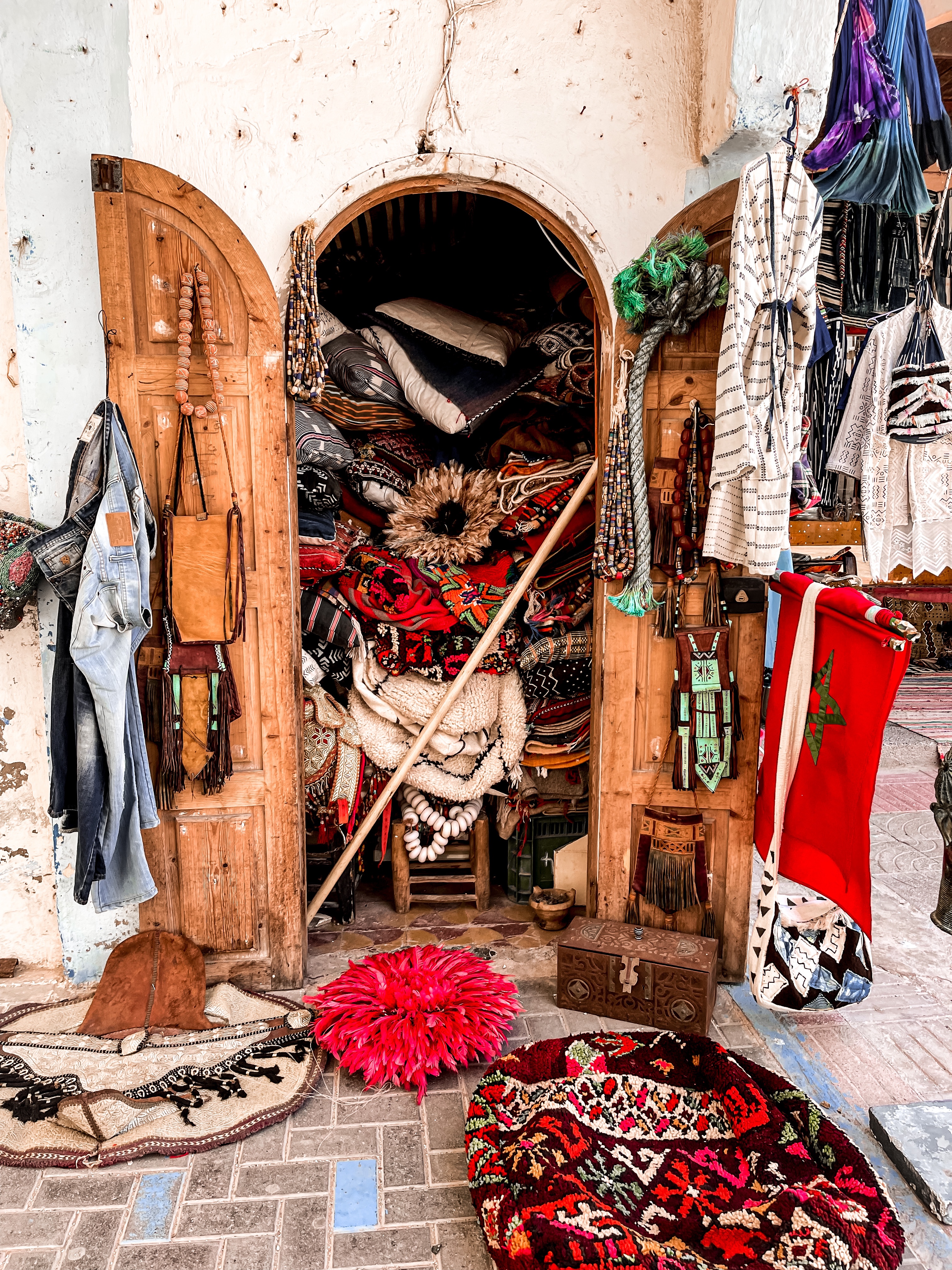
Essaouira is a port city and resort town on Morocco’s Atlantic coast. Its medina (old town) is protected by 18th-century seafront ramparts called the Skala de la Kasbah, which were designed by European engineers. Old brass cannons line the walls, and there are ocean views. Strong “Alizé” trade winds make the city’s crescent beach popular for surfing, windsurfing and kitesurfing. Will explore this charming sea side village, have lunch and in the afternoon return for the final evening in Marrakech.

Overall, be prepare to lose your inhibitions and sense of direction and embrace the loud, colorful city and its hurried population. Morocco is the doorway to Africa and a country of dizzying diversity. Here you’ll find the epic Atlas mountains, ancient cities like Fez, and sweeping deserts of the Sahara and Agafay – oh and you can’t forget their warm hospitality! Try to walk ten steps in any direction and you’ll come up against towering piles of spices, trundling donkey carts, piles of vibrant leather pouffs or stalls selling fragrant slow-cooked dishes that make your mouth water.
Here in Morocco you can lounge like a Queen or King in a palatial riad, graze the stalls at Jemaa el-Fna or lose yourself in the tiny switchback alleyways of the Medina – perusing the many souks as you go.
Enjoy Morocco – I guarantee you – your senses definitely will!
x
 Miss Intl